Welcome to Our New Blog!
Reflections on Art Therapy, Somatic Experiencing, Craniosacral Therapy, and Neurodivergence.
Subscribe to our occassional newsletter
(We will never spam you or pass your information on to anyone else. We work at a snail's pace.)
Productivity the Bottom-Up Way: 4 Questions To Help Neurocomplex People Feel Energized and Keep Going
1 September'26The word 'productivity' can be a turnoff and bring up demand avoidance.
It focuses on the outcome and output, which is how our economy works; it is 'top-down'.For many neurodivergent people, it may be more energizing to focus on how to resource the body and mind - the engine, to be able to create.
This is 'bottom-up'.This shift in focus from the outcome to the process, and the input for the process, can help us create the conditions to be our resourced, authentic selves, from which life can spring.4 questions can help us consider how to better support ourselves in day-to-day life.1. How do I manage my energy to help me do the things I want to do? How do I fuel my body and mind?2. How do I meet my unique needs to help me be my unique self?3. How do I create comfort from which I feel comfortable to create?4. How do I grow and step out of my comfort zone?Firstly, managing our energy to fuel our body and mind to help us do the things we want to do
Focusing on physical resourcing - nutritious food, exercise and sufficient sleep. It may sound naggy and basic, but something so simple can have a big impact especially the older you get. It's easy to take it for granted.
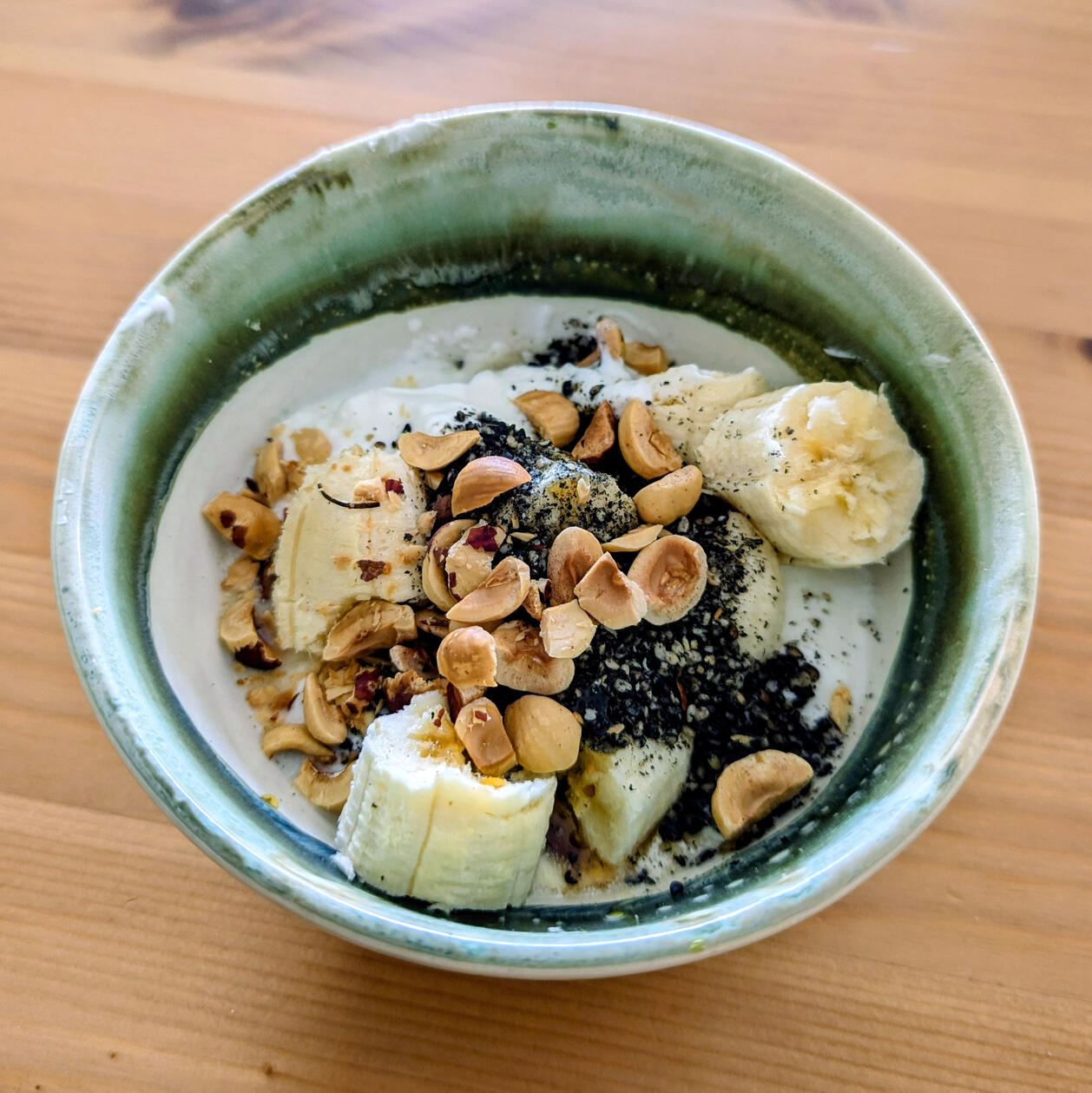
[Part of Breakfast: Greek yogurt with banana, nuts, black sesame and honey - increasing protein in the morning has helped fuel my brain, especially important for ADHD folk, and having more fibre helps me meet my daily quota and keeps me fuller for longer. I also have an egg or two, a tea latte, and sometimes bread with peanut butter and cheese if it's a workout day.]
An extension of the first point, but going further to think of how creative energy works.
Consider energy to be like a distorted sine wave rather than a straight line.
It recognises that life, healing and creation is non linear, that there will be times when we are able to do more, and times when we flatline. It's allowing ourselves the time and space to rest and recuperate, while having faith that we will eventually bounce back, and not rushing rest.Secondly, how do I meet my unique needs to help me be my unique self?It starts with accepting that we are allowed to have unique needs. You might have learned that it's not safe to be different, in a group or work setting. Perhaps people-pleasing is something you've learned to protect yourself. But meeting your own needs can be the fine line between surviving the day in one piece, or having a meltdown or burnout.Thirdly, how do I create comfort from which I feel comfortable to create?It's okay to seek comfort, it is not selfish. You might have learned to prioritise others' comfort over your own by having as little needs as possible when growing up to stay out of trouble.
Again, helping yourself feel comfortable might be what's keeping you from crashing. Consider ear defenders, shades for overly bright light, having your back supported, comfort for the soles of your feet and feeling grounded.Lastly, how do I grow and step out of my comfort zone?
You have to feel comfortable in the first place to step out of your comfort zone. It's not about pushing yourself for the sake of doing so, but considering what piques your curiosity and interest. What's fun or meaningful to you?These four questions have been helpful in guiding me and my clients to better support ourselves. I hope some of it resonates with you too. Thanks for reading!
The Cassandra Effect and Navigating Today's World For Autistic People
6 August'26Cassandra, a character in Greek Mythology, was the daughter of Trojan King Priam.
Apollo, God of the Sun, was enraptured by her beauty and granted her the ability to see into the future. However when she refused his advances, he bestowed a curse that no one would ever believe her. When she knew how Troy would fall to invaders entering on wooden horses disguised as gifts, no one would believe her prophecy.I've known people who suffered like Cassandra, many of whom are Autistic and have superb pattern recognition skills.
They may not be followers of trends and tend to see things as they are instead of going along with the group, although they feel pressure to conform. They may lack the social credits to be believed by decision-makers. It can also be hard for people to recognise the validity of logical predictions when they hold uncomfortable truths. Instead, they end up scapegoating the individual, labelling their directness as tactlessness or pessimism.It can be immensely frustrating for the Autistic person who can clearly see how things would probably end badly, and yet feel like they can't do anything to change the course of events.In a complex and fast-changing world where Artificial Intelligence seems to be spreading, and as climate change and imperialism go unchecked, it can be a lot for a sensitive person to grapple with. Most Autistic people I know already have their hands full juggling work-life balance without burning out. Yet when they log onto social media as a means of connecting, they can't escape the bad news. When they speak up, they can be shut down by louder voices, and feel a sense of helplessness.What can a sensitive person do to process all of this?
Firstly, knowing about the Cassandra phenomenon, helps you know you are not alone. There are many others who feel the same and who share similar values of truth, justice, compassion and egalitarianism. Looking around you, can you name a few people or friends who share this, and whom you can count on?
As powers-that-be seek to divide us, coming together to support one another in friendship and community is what strengthens us.Focus on what we can control, care for our bodies and minds, regulate ourselves and each other, and ensure we are getting our physical, sensory and emotional needs met. Come back to the here and now - what are we noticing in our bodies at this point in time? The future is uncertain, and the only way we can influence the future is to focus on what we can do now. Which is to build our physical and emotional resilience as individuals and as a community.Jot down a few simple and manageable things you can do for yourself and your loved ones in the near future. This helps to break it down into small actionable steps, and doing them can help us feel a sense of agency and power. Take a moment to recognise when you have agency and power, and sit with how that feels.Take action - it doesn't have to be big, but little actions like volunteering, making a small donation to someone in need, helping a friend, make art or self-publish a piece of writing.Journaling with words and art can help us express what we are subconsciously feeling, externalise and reflect on them. Reconnect with your strengths and resources.Remember to be getting the right nutrition, water, exercise, sufficient sleep and sunlight. This can help us feel a lot better and have an immediate effect on our mood.For neurocomplex individuals, it's also important to have the right amount of stimulation - not too much nor too little.Remember to have fun amidst it all. We all need something to look forward to. What interests you or piques your curiosity?What are some things you like about yourself? What are the things you do to help yourself feel better?

Cassandra, c.1898, painting by Evelyn De Morgan (1855-1919)
Trauma & Weight Loss:
How trauma might be in the way of a healthier you
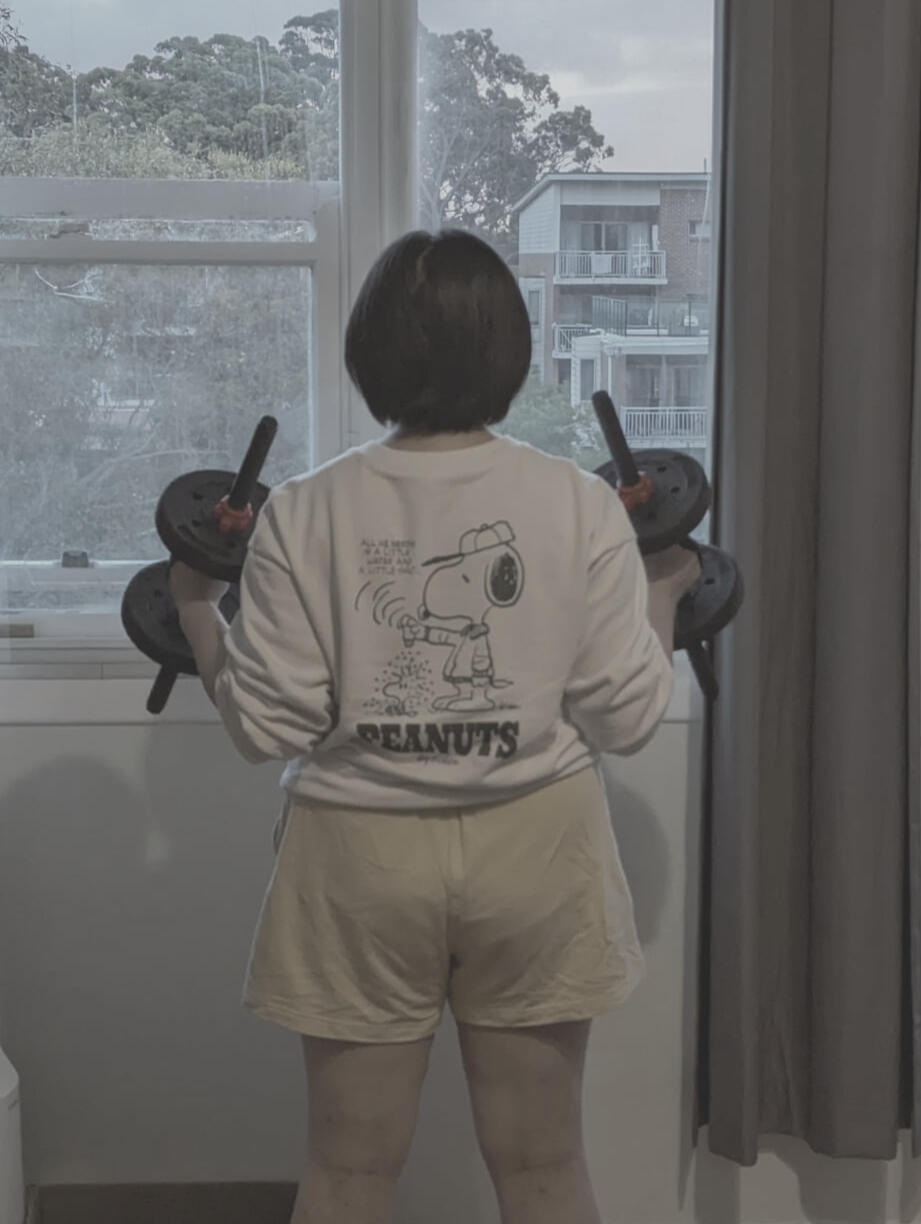
31 July'26I've renewed my fitness journey for the past 4 months and going, and have made good progress. Why did it take me only a few decades to start taking my health seriously?When I look back, I realise that my current fitness is only possible after being on the trauma healing path for several years.I used to live in a state of dissociation, masking to fit in the corporate world, and coping with the various demands of life. I did not know that my mind was disconnected from my body, until it all came to head in what I now recognise as burnout. This set me on a path of healing, trying different kinds of therapies that led me to the ones I practise today. The ones that helped me become more myself.My final modality - biodynamic craniosacral therapy - helped heal the trauma in my body, built deeper and more extensive neural pathways, adding to the gains I had from earlier somatic experiencing work.When I was finally able to accept and view my body in an objective way, the sign presented itself. Developing better friendships with a healthy group of women equipped me with resources to help myself. I learned that I needed to change my lifestyle.Always having a bigger body for as long as I can remember, had become a part of my identity. An identity I clung onto after being bullied as a teenager in an elitist girls' school. I told myself that looks were superficial. The pervasive culture of focusing on weight loss for aesthetic reasons, to be slim instead of strong. The more this expectation was pushed on me, the more I pushed back. There was also a lack of education on the importance of strength training and building muscle. I've done yoga for several years, and always struggled with the more vigorous classes like Power and Flow. After doing a body composition scan, I knew it was time to have an honest look at my lifestyle. I had run out of excuses.It was only possible after building a healthy sense of self, and healing from people-pleasing habits that made me focus on caring for everyone else before me. I recognised that being overweight and having a high fat percentage was not a personal failing. I had the agency to do something about it, and the support of friends with expertise. This helped me reap observable results in converting fat to muscle. The entire process, though hard, was highly satisfying, and even brought me closer to my friends.A few months after starting, my close relative was hospitalised for a spinal fracture, losing independence in old age. This further drove home the need for strength training. Sharing about it in a gentle and non-intrusive way has become one of my love languages.I also started to receive clients who struggled to lose weight after being disconnected from their bodies as a result of complex trauma. Additionally, I work with very athletic clients who use exercise as a coping mechanism, and sometimes a distraction from trauma.The universe works in mysterious ways when we are aligned with our path.
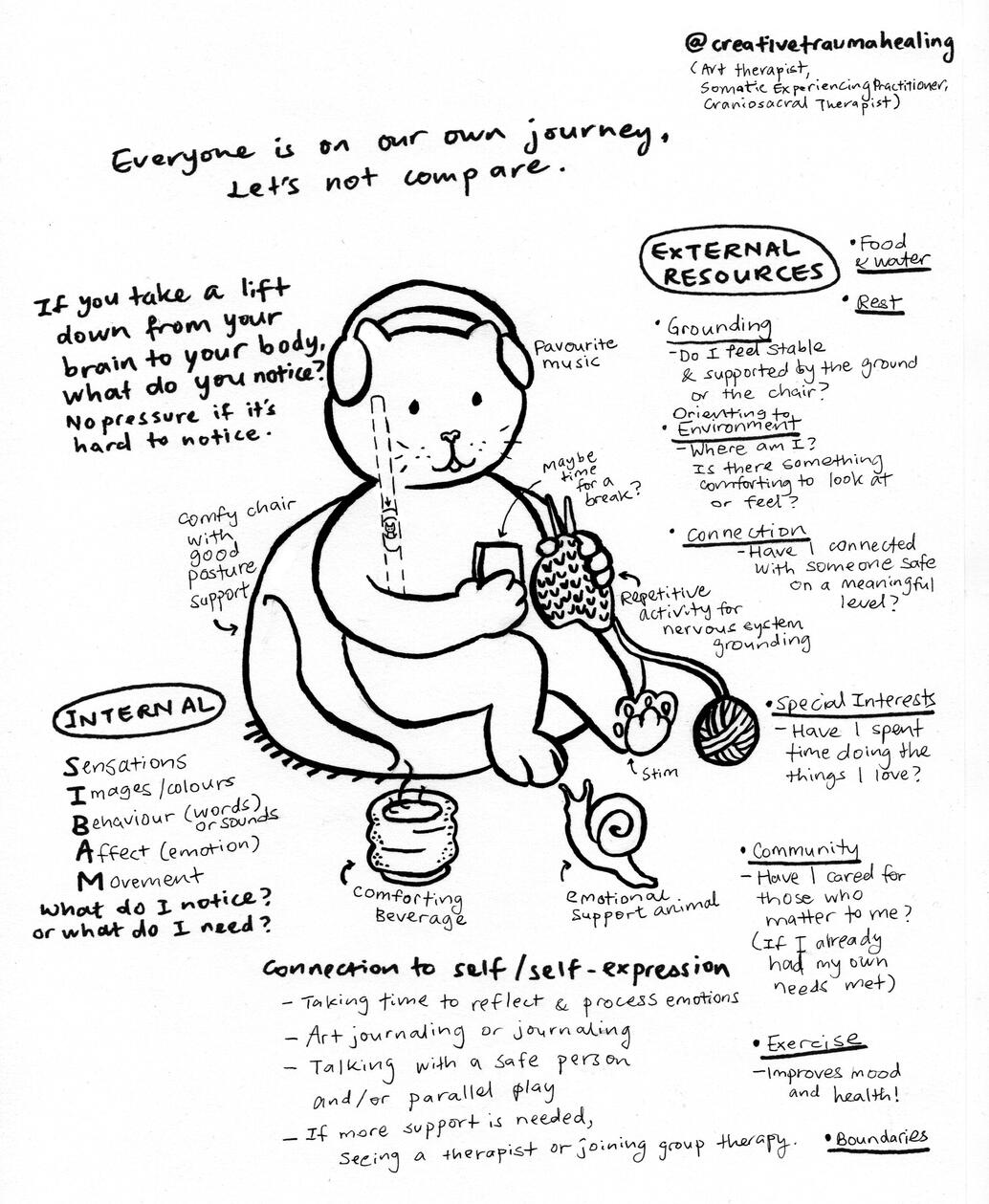
Resources for Mental Wellbeing Zine
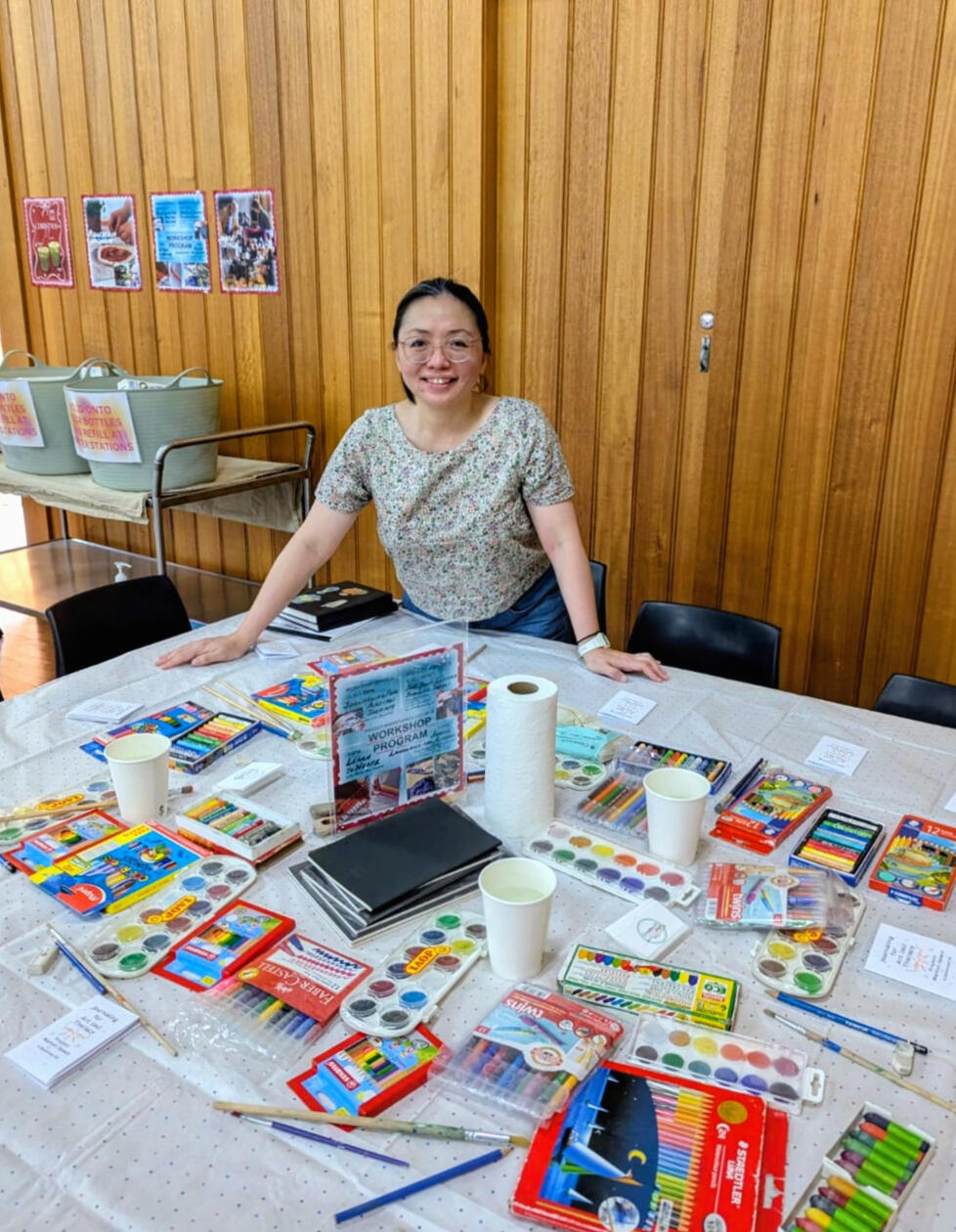
17 July'26Here's a zine page I made for Colourful Minds Market in March'26 about mental health and wellbeing. In it, I list some possible resources and grounding techniques that I often share with clients. It also draws from art therapy, Somatic Experiencing, and what I know about neurodivergence. You can download it to keep as a personal resource, but please do not reproduce without credit or permission.
New Blog & Website
17 July'26In January 2026 after seven years, we shifted our website to carrd.co, a move away from our previous web provider due to their links with genocide. Not only did we stop funding war, but the cost savings from our new provider also helped us transfer some savings to our clients. Additionally, it was a chance to refresh some of the writings which have become outdated since we started in 2019.The new simple and cheerful layout reflects our continuous effort to simplify mental health resources for clients amidst a world clamouring for our limited attention. Although it takes a little more tinkering on our part, it's something we enjoy doing :)We will now work on re-building our blog and look forward to more semi-casual sharing of our reflections and resources on mental health.
Simone Shu Yin Chan is a Somatic Experiencing® Practitioner, art therapist and craniosacral therapist specialising in complex trauma, and often works with autistic and/or ADHDer individuals.Simone's therapeutic work is client-led, giving space and time for the client to express, process and slowly integrate the answers they arrive at for themselves. She uses a bottom-up approach which is ideal for trauma survivors and neurodivergent individuals. As someone with lived experience, she has deep empathy for her clients, and is cognisant of when to guide and when to step back to allow clients agency over their own process.She sees clients in Sydney - Bondi Junction, Hurstville, and online.We pay our deep respects to Elders past, present & emerging of the Gadigal and Bidjigal people, custodians of the land and waters that we are privileged to live and work on.
Simone Shu Yin Chan
Art Therapist,
Somatic Experiencing® Practitioner,
Biodynamic Craniosacral Therapist
MA, AThR, SEP™, RCST
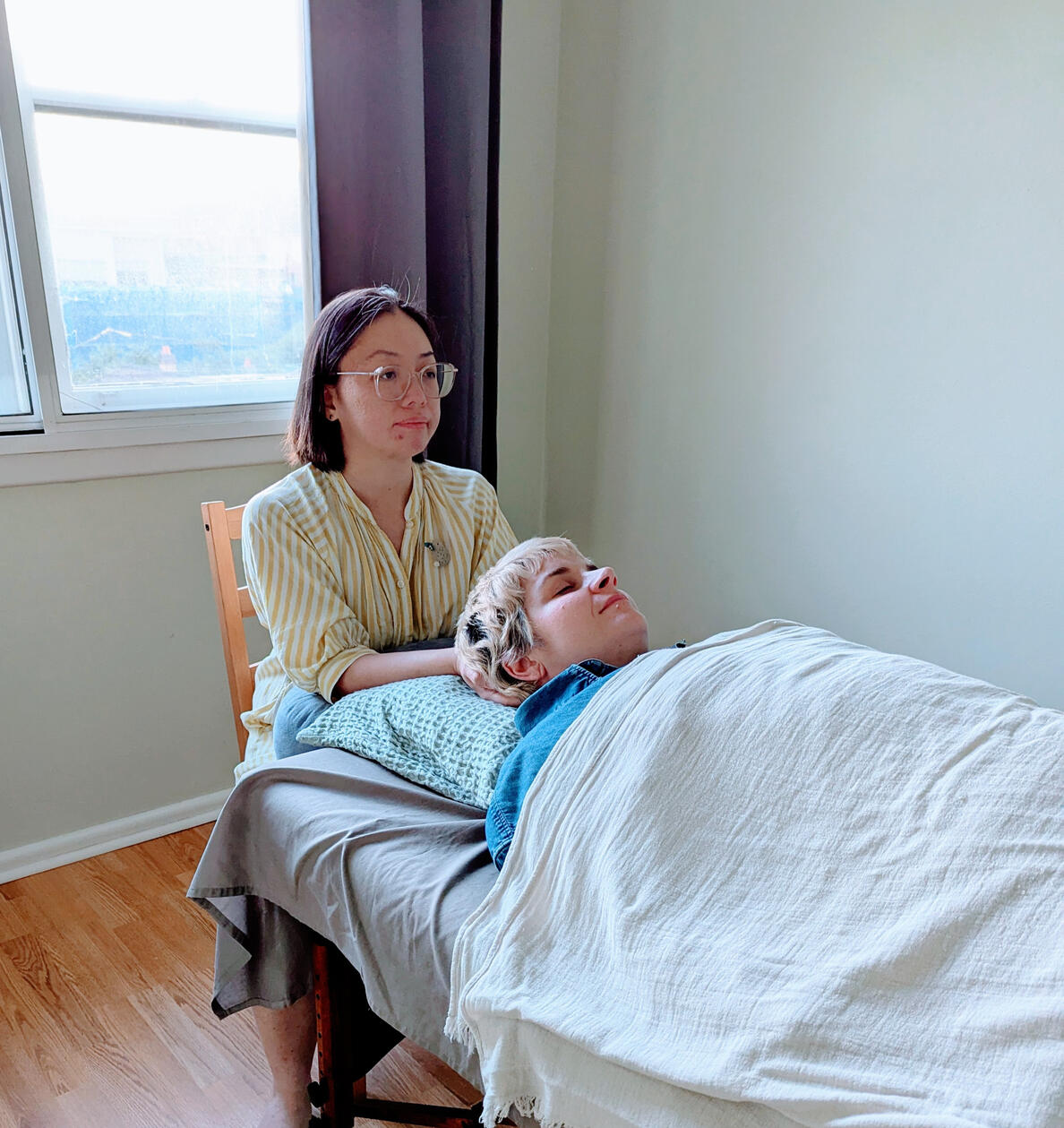
Pronouns: She/herSimone works with adults and teens seeking deeper healing. Her clients include people who've experienced emotional, physical and sexual abuse. She has a passion for fellow Autistic and/or ADHDers and has journeyed with them to heal from trauma, burnout, and discover and honour their authentic selves. She uses a bottom-up approach with a deep appreciation for the body-mind connection in trauma healing.Apart from private practice, Simone has provided group and/or individual art therapy to community organisations serving stroke survivors, elderly, adolescents, youths in family crisis shelters, community mental health facilities, and schools in Singapore from 2019. She has assisted at beginner & intermediate level SEP professional trainings by Dr Abi Blakeslee.She has been living in Sydney, NSW Australia since 2024 with her husband and cat Pooky, an elderly rescued tabby who made the long voyage. Simone enjoys making art, knitting, yoga and being in nature.

For questions and appointments,
you can use the form below and we will get back to you in 1-3 days. Please also check your spam folder if you don't hear back.
creativetraumahealing
@gmail.com
+61 475133561
(whatsapp/text preferred)
2/15 Bronte Rd, Bondi Junction, NSW
Medicinal Collective
(Wednesdays: 2 to 8pm,
and Saturdays: 9am to 2pm)
Hurstville
5 minutes walk from the train station
(Tuesdays & Thursdays,
exact location will be provided on confirmation of session. Special rates available for this location)
Telehealth
(Mondays, Tuesdays, Thursdays, Fridays)
Mondays, Tuesdays, Thursdays Fridays: 9am to 7pm
Wednesdays: 2 to 8pm
Saturdays: 9am to 2pm
(In-person or online, by appointment only)
ABN: 33291751189
Copyright Simone Shu Yin Chan, 2026